Skip to content
Explore True Grit's complete organic catalogue — traditional grains, pulses, seeds and oils.
TRUE GRIT
What Is Kathiya Wheat? Origin, Taste, Texture & Uses — traditional ingredients and practical kitchen guidance
True Grit

True Grit Food Care Desk · 3 min read

What Is Kathiya Wheat? Origin, Taste, Texture & Uses

A hard, low-yielding wheat landrace grown mainly in Madhya Pradesh and Rajasthan. What actually distinguishes it in the kitchen.

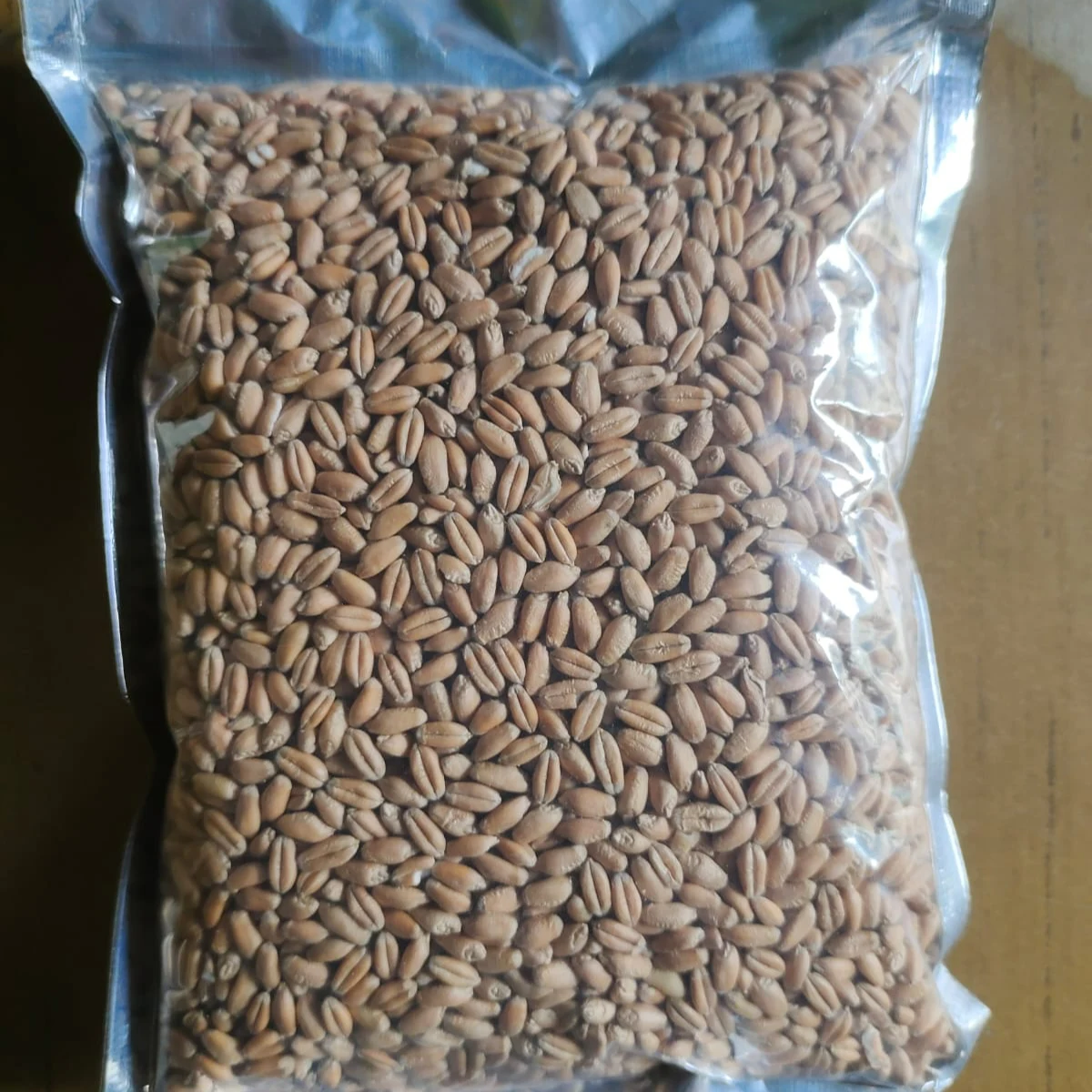
Kathiya is a bread wheat landrace grown on rain fed land in Madhya Pradesh and Rajasthan. The grain is denser and harder than modern high yield wheat, which is exactly why it stayed a small batch crop rather than a commodity one.

What actually makes it different

  • Dense, vitreous kernel. Hold one to the light and you can often see through the edge, similar to durum wheat.
  • Needs more water and a longer rest than standard atta. The harder starch takes longer to hydrate fully.
  • Milled slightly coarser than refined atta, which suits daliya and thick roti but fights a soft phulka.
  • Lower yield than modern wheat, which is the honest reason it costs more, not a certified health claim.
  • Harvested a couple of weeks later than high yield wheat grown in the same district.

Our standards

Kathiya wheat questions

Is Kathiya wheat the same as emmer wheat?
No. Emmer is a distinct, older wheat species. Kathiya is a bread wheat landrace, related to standard atta wheat, just a harder regional variety of it.
Why does Kathiya cost more than ordinary atta?
Lower yield, rain fed cultivation, and a smaller pool of farmers still growing it. The price reflects scarcity, not a health claim.
Can I use Kathiya flour in any roti recipe?
Yes, but add slightly more water and rest the dough longer than you would for regular atta.
Does Kathiya flour need different storage?
The coarser milling means a little more bran exposed to air, so keep it airtight and use it within a few weeks for best flavour.

Comments

Loading comments…

Sign in to join the conversation.