Skip to content
Explore True Grit's complete organic catalogue — traditional grains, pulses, seeds and oils.
TRUE GRIT
The Journey of Urad From Whole Gram to Dal, Sattu and Besan — traditional ingredients and practical kitchen guidance
True Grit

True Grit Farms Desk · 3 min read

The Journey of Urad From Whole Gram to Dal, Sattu and Besan

One pulse, three different destinations, each requiring a different processing choice along the way.

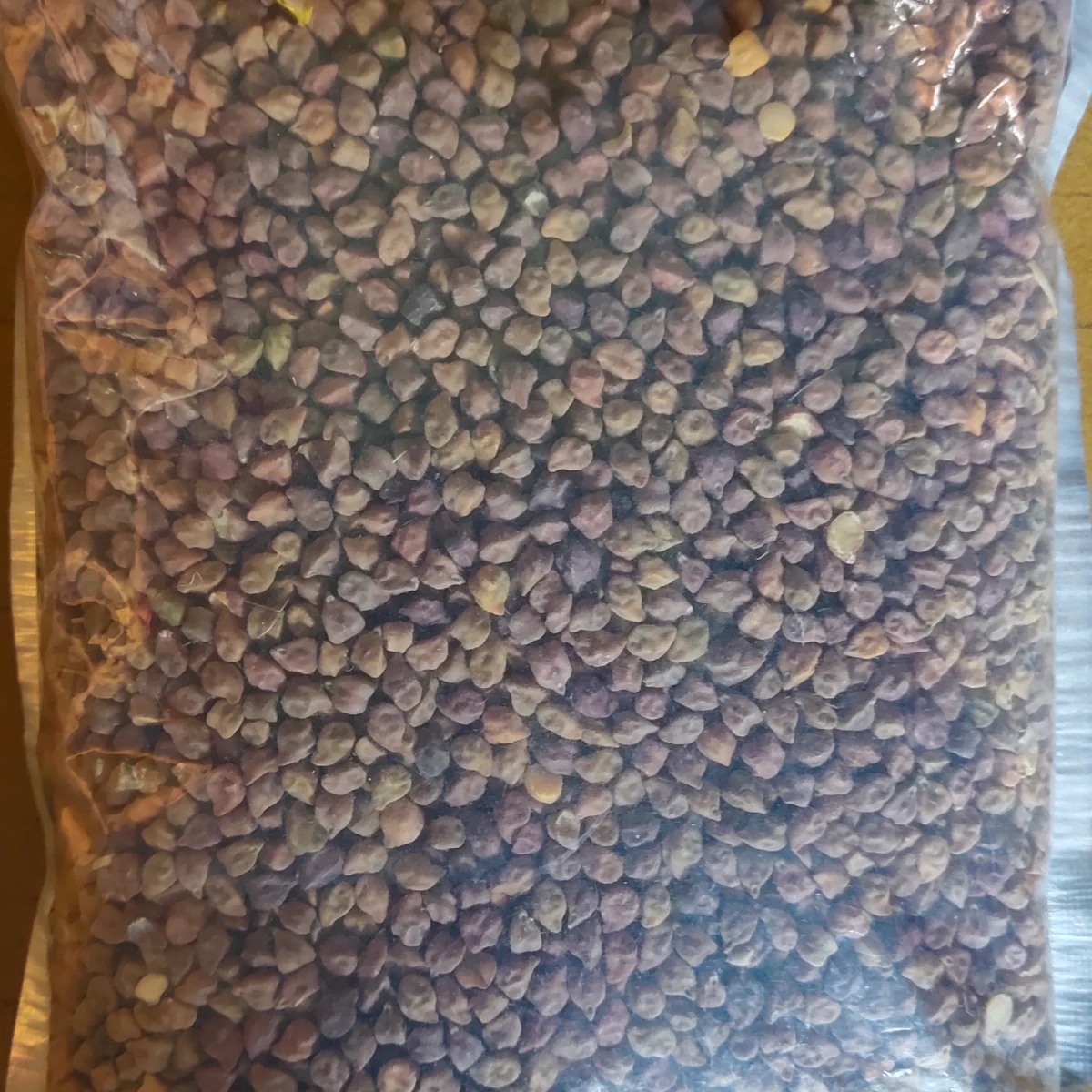
Whole black gram's journey branches in three different directions depending on the end product, split dal, roasted sattu, or raw besan, each needing a different processing choice after the same basic start.

The journey

  • Grown, harvested and cleaned the same way regardless of which final product the batch is headed toward.
  • For dal, the pulse is dehusked and split, revealing the pale interior most people recognise as split urad dal.
  • For sattu, whole black gram is roasted first, then ground into a flour that is already ready to eat.
  • For besan, black gram is ground raw, without roasting, into a flour that still needs cooking before eating.
  • All three products start from the exact same whole pulse, differing only in the processing steps applied after cleaning.

Our standards

Urad journey questions

Does the farming stage differ for dal, sattu or besan?
No, growing and harvesting are identical. The processing choice only diverges after cleaning.
Why does sattu need roasting but besan does not?
Roasting is what makes sattu ready to eat without further cooking. Besan is deliberately left raw for use in cooked batters.
Can the same batch of whole black gram become any of the three?
In principle yes, the processing decision happens after cleaning, based on what the batch is intended to become.
Which of the three takes the longest to produce?
Sattu, since roasting adds a step that split dal and raw besan production do not require.

Comments

Loading comments…

Sign in to join the conversation.