Skip to content
Explore True Grit's complete organic catalogue — traditional grains, pulses, seeds and oils.
TRUE GRIT
Preserving Traditional Indian Grain Varieties — traditional ingredients and practical kitchen guidance
True Grit

True Grit Food Care Desk · 3 min read

Preserving Traditional Indian Grain Varieties

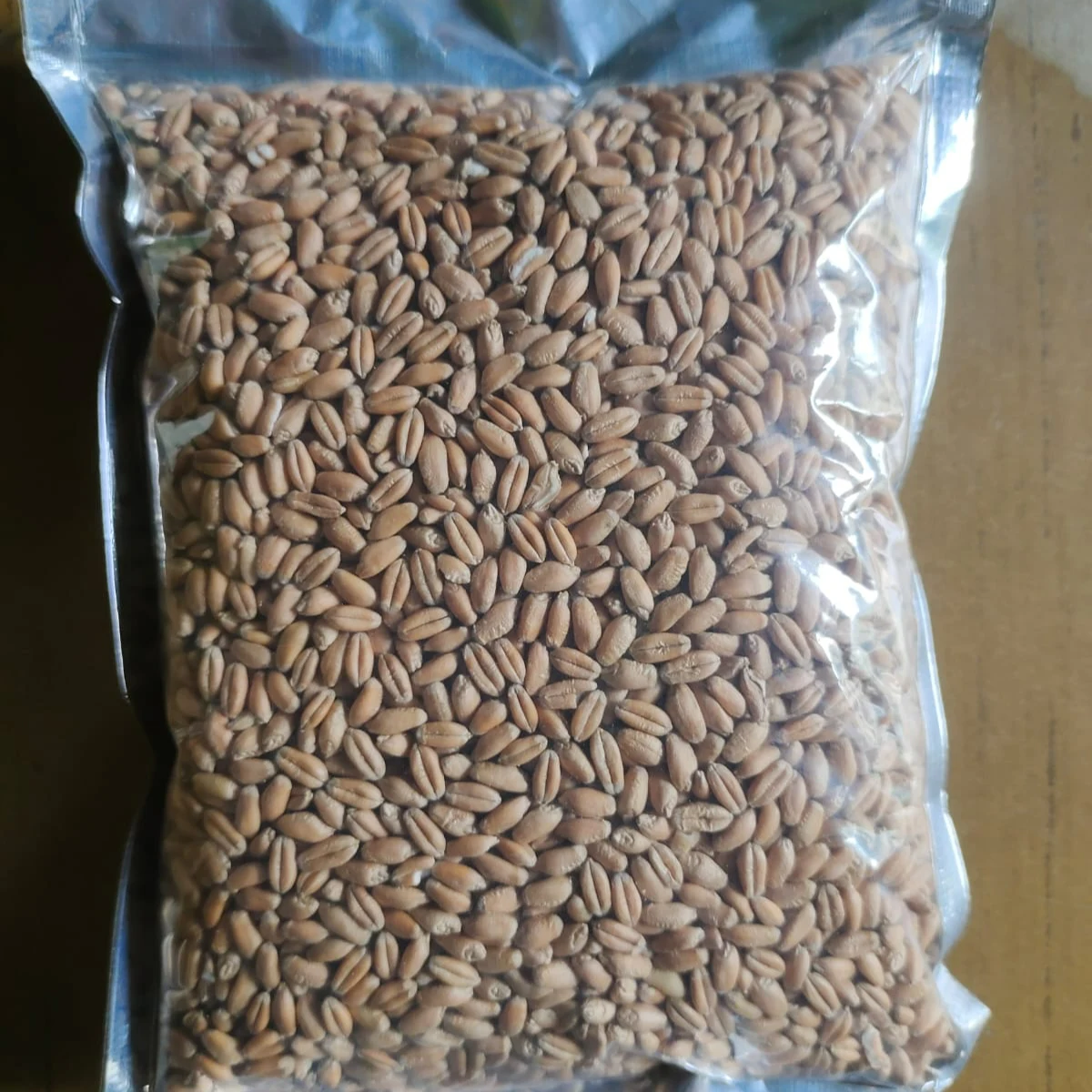
Heritage landraces like Kathiya, Banshi and Paigambari survive mainly because someone keeps growing and buying them.

Heritage grain varieties like Kathiya, Banshi and Paigambari wheat survive mainly because farmers keep growing them and buyers keep choosing them, not through any automatic protection once modern, higher yield varieties become available.

Why this matters

  • Lower yielding heritage varieties can lose ground to modern hybrids bred specifically for higher volume output.
  • Once a variety stops being grown at any scale, the seed stock and farming knowledge behind it can be genuinely difficult to recover.
  • Continued demand from buyers is one of the more direct ways a heritage variety stays commercially viable for farmers to keep growing.
  • This is not only about nostalgia, different varieties carry different resilience traits that can matter for future farming conditions.
  • Preservation happens through ordinary market demand as much as through any formal conservation programme.

Our standards

Grain preservation questions

Are heritage wheat varieties at risk of disappearing?
Lower yielding varieties can lose ground to modern hybrids without continued demand keeping them commercially viable.
Does buying heritage wheat actually help preserve it?
Continued market demand is one of the more direct ways a variety stays worth growing for farmers.
Is this only relevant to wheat?
No, the same dynamic applies to many traditional grain and pulse varieties across India, covered further elsewhere in this guide.
Why does variety diversity matter beyond flavour?
Different varieties carry different resilience traits that can matter for future farming conditions, discussed in more depth elsewhere in this guide.

Comments

Loading comments…

Sign in to join the conversation.