Skip to content
Explore True Grit's complete organic catalogue — traditional grains, pulses, seeds and oils.
TRUE GRIT
Meet Black Gram: From Farm to Dal, Sattu and Besan — traditional ingredients and practical kitchen guidance
True Grit

True Grit Farms Desk · 2 min read

Meet Black Gram: From Farm to Dal, Sattu and Besan

One pulse, three destinations, anchoring everything from dal makhani to dosa batter.

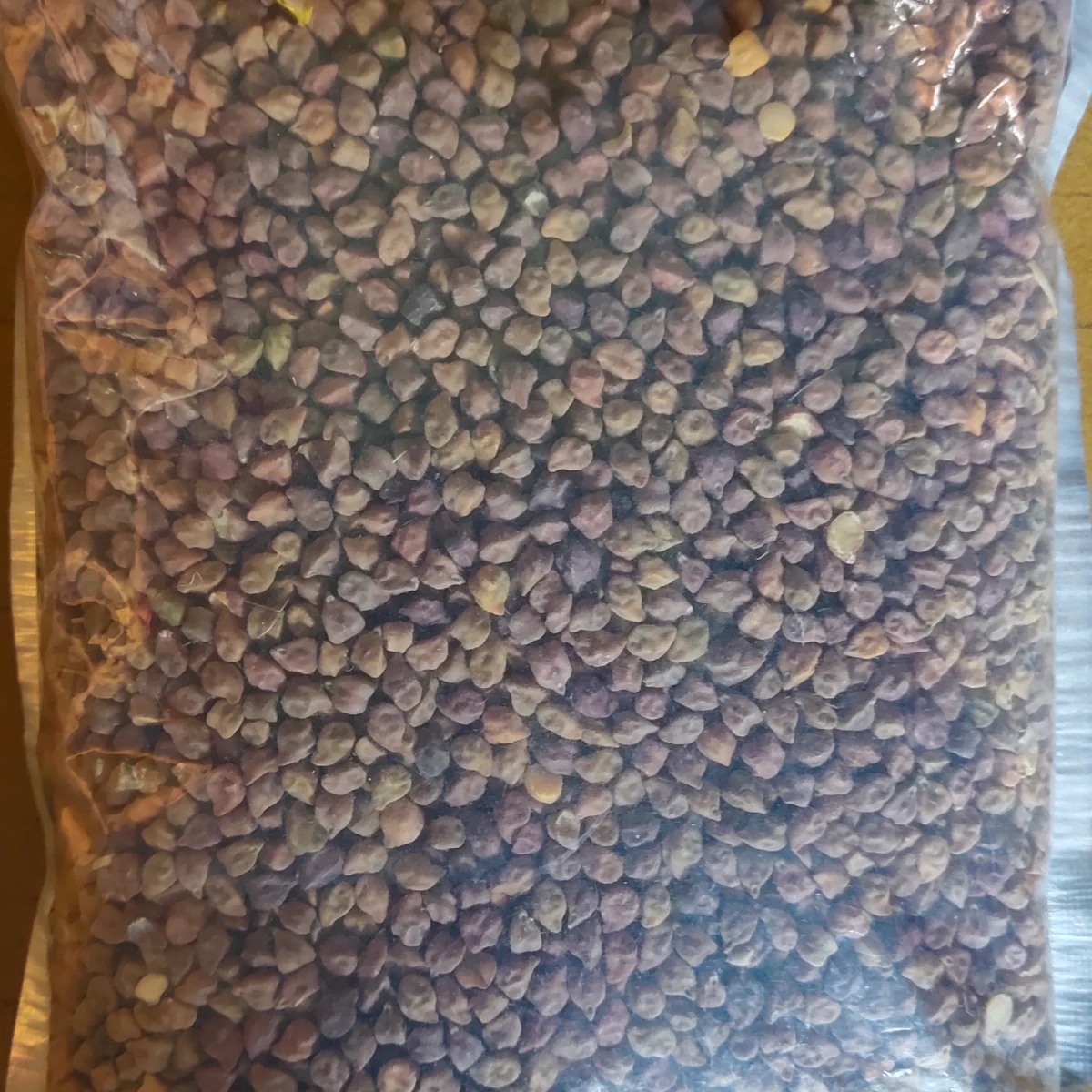
Black gram, urad, is a protein rich pulse that branches into more forms than most, whole for dal makhani, split for dosa batter, roasted into sattu, or ground raw into besan.

Quick introduction

  • A pulse with a black skin and pale white interior, known as urad in Hindi.
  • Whole black gram anchors slow simmered dal makhani, holding its shape through a long cook.
  • Split urad dal, dehusked and quicker cooking, is the base for dosa and idli batter as well as tempered dals.
  • Roasted and ground into sattu, it becomes a ready to eat, protein rich flour for a drink or filling.
  • Ground raw into besan, it makes a heavier, earthier alternative to the more familiar chickpea besan.
  • A genuinely versatile pulse once you know which of its four forms suits the dish you have in mind.

Our standards

Meet black gram questions

Which form of black gram should I buy first?
Split urad dal is the most versatile starting point, useful across dal, khichdi and South Indian batters alike.
Is urad just another name for this same pulse?
Yes, urad is simply the Hindi name for black gram, the same pulse under either term.
Do I need all four forms, whole, split, sattu and besan?
Not necessarily, most households pick the forms suited to what they actually cook most often.
What makes black gram different from other common pulses?
Its heavier, earthier flavour and its central role in both North Indian dal and South Indian fermented batters.

Comments

Loading comments…

Sign in to join the conversation.