Skip to content
Explore True Grit's complete organic catalogue — traditional grains, pulses, seeds and oils.
TRUE GRIT
Know Your Pulse: A Guide to Indian Pulses and Lentils — traditional ingredients and practical kitchen guidance
True Grit

True Grit Farms Desk · 3 min read

Know Your Pulse: A Guide to Indian Pulses and Lentils

Different cooking times, different textures, different dishes. Knowing which is which saves real guesswork.

Black gram, red lentils and white field peas differ enough in cooking time and traditional use that knowing which is which before you shop saves real guesswork once you are actually at the stove.

What to know before buying

  • Black gram, urad, is heavier and more versatile, spanning dal, sattu, besan and South Indian batters.
  • Red lentils, masoor, are the fastest cooking, the pulse to reach for on a genuinely short timeline.
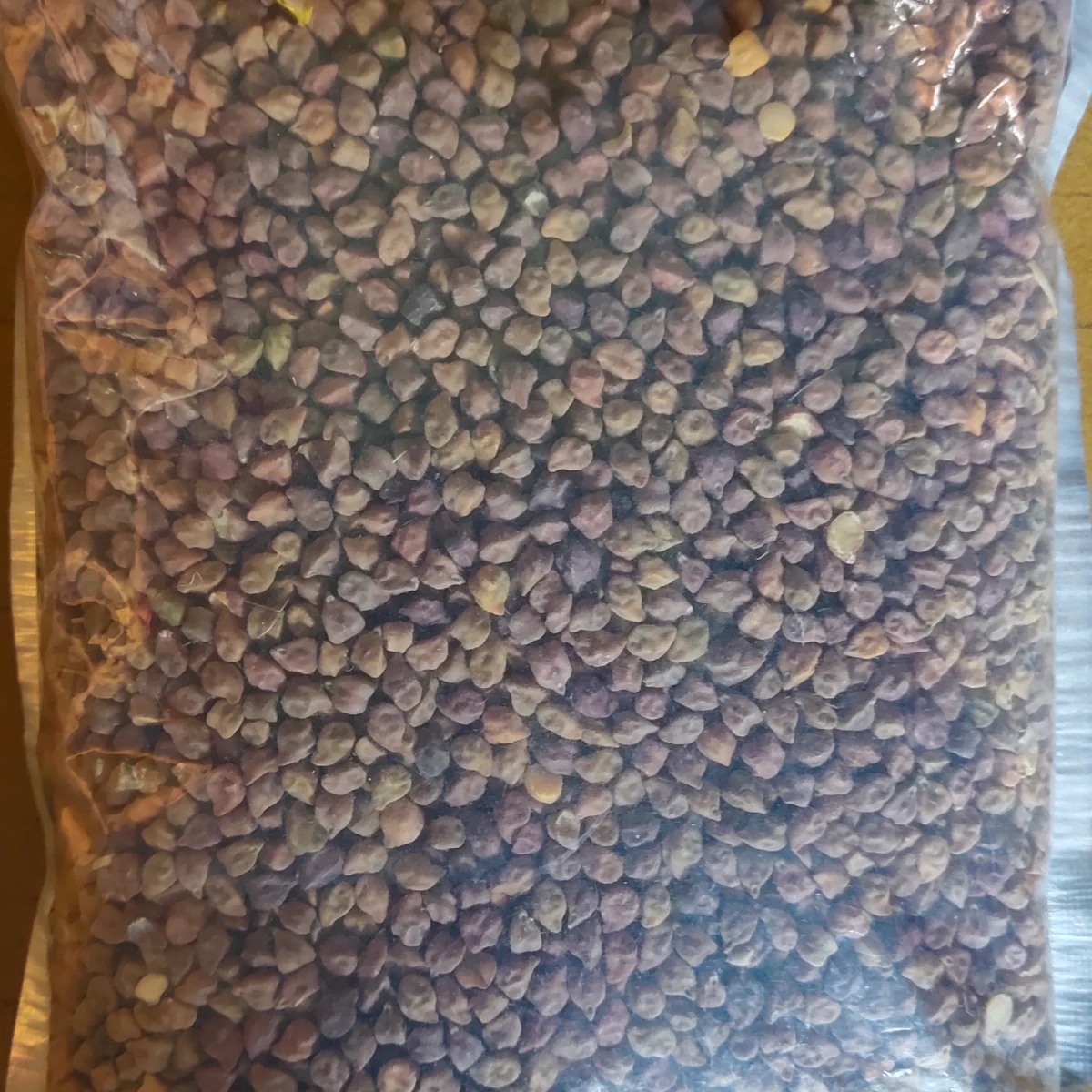
  • White field peas need the most advance planning, a real overnight soak, but anchor dishes like ghugni and ragda.
  • Whole forms generally need more soaking and cooking time than split or dehusked forms of the same pulse.
  • A well stocked pulse shelf covers at least one fast cooking option and one slower, more textured one.

Our standards

Know your pulse questions

Which pulse is the most versatile to keep stocked?
Black gram, given how many forms it comes in, whole, split, sattu and besan, each suited to different dishes.
Which pulse is best for a quick weeknight meal?
Red lentils, thanks to their fast, forgiving cooking time.
Which pulse needs the most planning ahead?
White field peas, which need a genuine overnight soak before cooking.
Should I keep all three stocked at once?
It covers the widest range of dishes, though a smaller household may prefer starting with just one or two.

Comments

Loading comments…

Sign in to join the conversation.