Skip to content
Explore True Grit's complete organic catalogue — traditional grains, pulses, seeds and oils.
TRUE GRIT
Kathiya Wheat vs Regular Wheat: What’s the Difference? — traditional ingredients and practical kitchen guidance
True Grit

True Grit Buying Desk · 3 min read

Kathiya Wheat vs Regular Wheat: What’s the Difference?

Regular wheat means a high yield dwarf variety bred since the 1960s for volume. Here is what that breeding history changed, set against Kathiya.

Regular wheat almost always means a semi dwarf high yield variety bred for volume and milling consistency, with flavour and hardness as an afterthought. Kathiya was never part of that programme.

The real differences

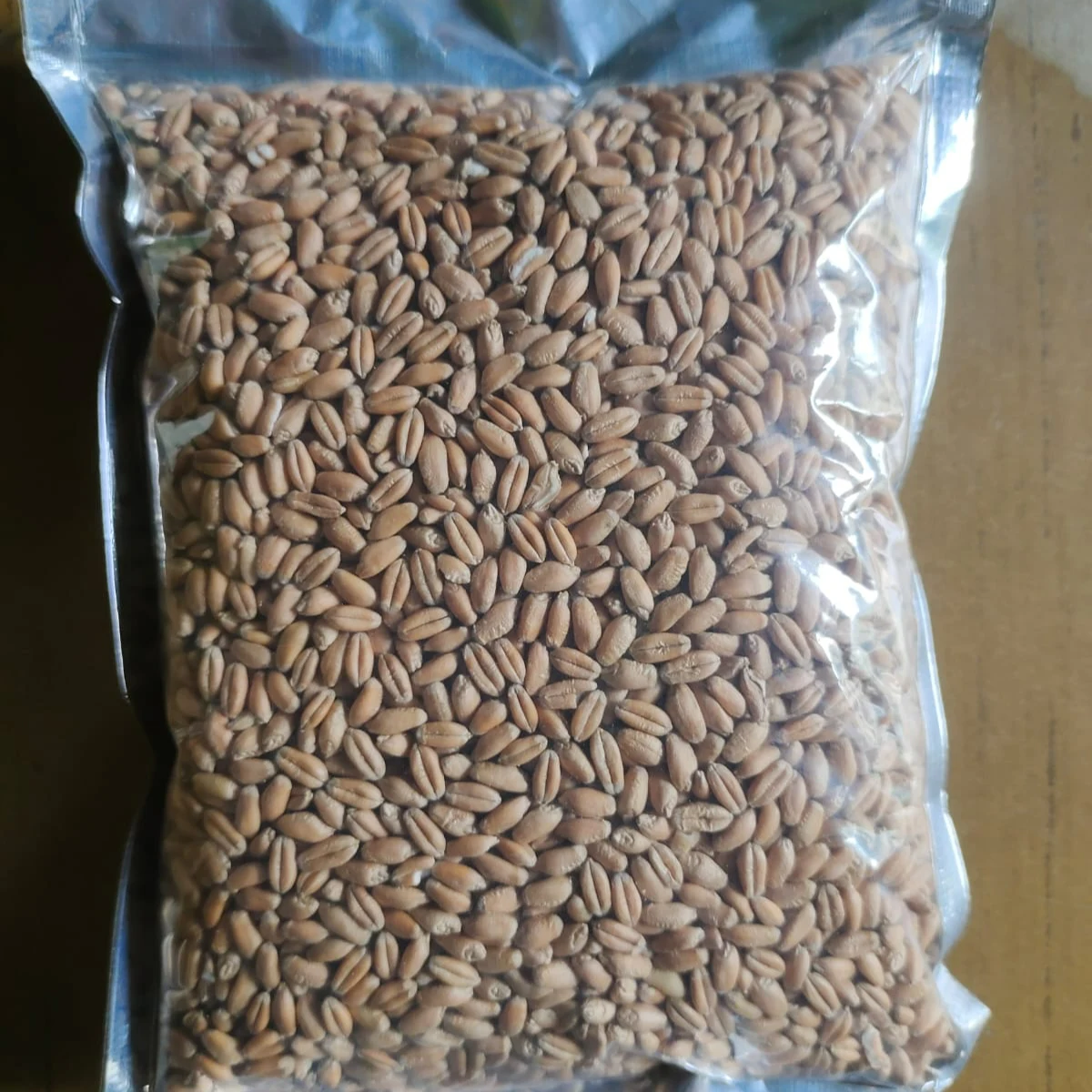
  • Hardness. Kathiya's kernel is dense and vitreous. Commodity wheat is bred softer and more uniform.
  • Hydration. Commodity atta recipes assume a water ratio that Kathiya needs more of, plus a longer rest.
  • Texture. Kathiya gives a firmer, chewier roti. Commodity wheat gives a softer, more uniform one.
  • Yield and price. Commodity wheat exists for high output at low cost. Kathiya's smaller harvest is priced into every packet.
  • Seed saving. Kathiya farmers often replant saved seed. Commodity growers usually buy fresh certified seed each season.
  • Cooking time. Kathiya daliya generally needs a longer soak than daliya cracked from a softer commodity wheat.

Our standards

Kathiya vs regular wheat questions

Is Kathiya more nutritious than regular wheat?
There is no verified, consistent nutritional advantage. Treat flavour and texture as the honest reason to choose it.
Can I mix Kathiya and regular wheat flour?
Yes. Many cooks start around a quarter Kathiya to three quarters regular flour and adjust from there.
Why does regular wheat flour look whiter?
Milling degree matters more than variety. Heavily refined atta removes more bran, which lightens the colour.
Will Kathiya work in a bread machine set up for regular flour?
It can, but expect a denser loaf and may need to add water manually.

Comments

Loading comments…

Sign in to join the conversation.