Skip to content
Explore True Grit's complete organic catalogue — traditional grains, pulses, seeds and oils.
TRUE GRIT
How to Identify Good Quality Pulses — traditional ingredients and practical kitchen guidance
True Grit

True Grit Farms Desk · 3 min read

How to Identify Good Quality Pulses

Colour, uniformity and a quick look for damage tell you more than a brand name does.

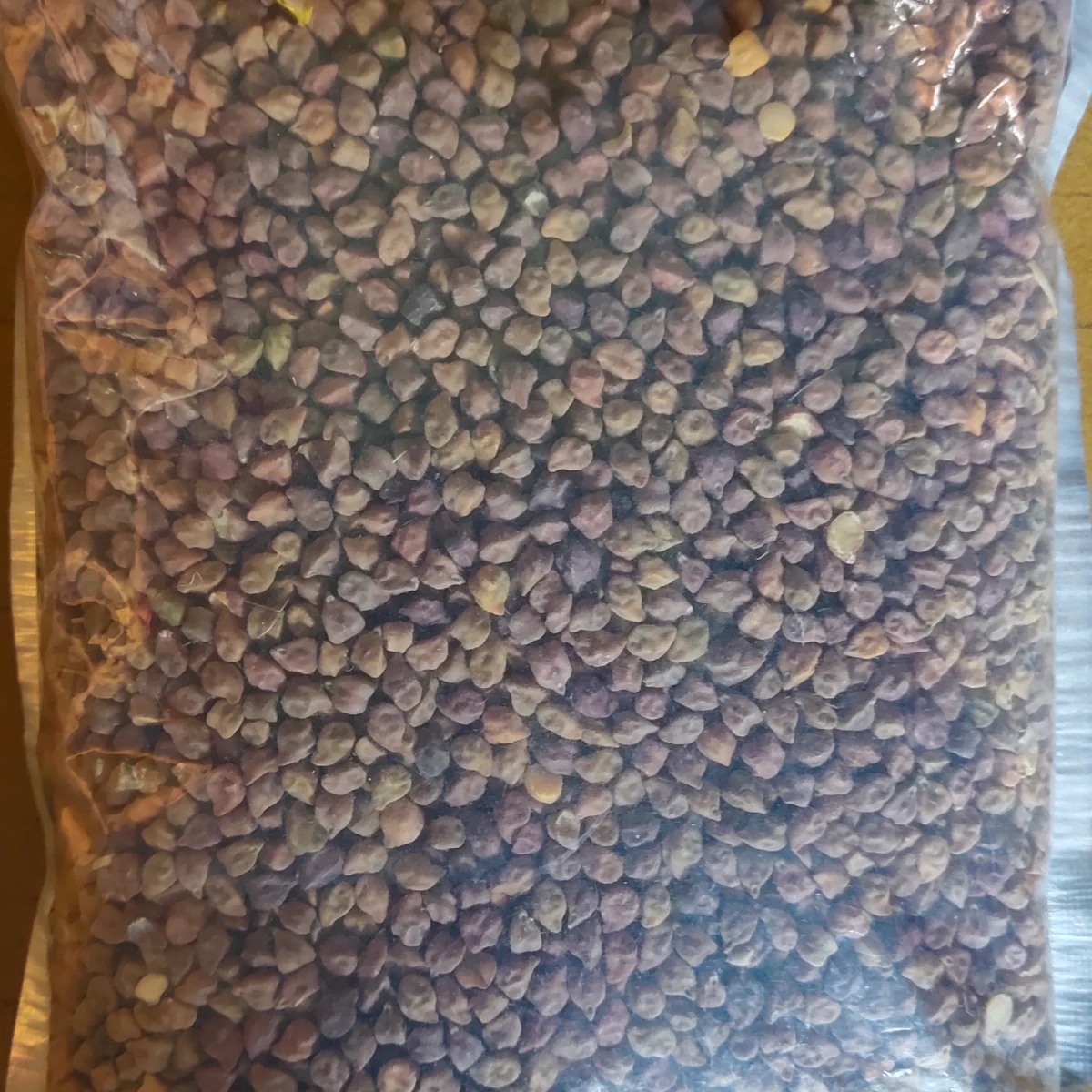
Good quality pulses are easy to check with a quick look before buying, and the same basic signs apply whether you are looking at black gram, red lentils or any other dal.

What to actually check

  • Colour should be reasonably uniform across the batch, without a large proportion of noticeably discoloured or faded grains.
  • Size and shape should be fairly consistent, since a lot of variation can mean a poorly sorted or mixed batch.
  • Check for dust, stones or visible debris in the packet, which suggests less careful cleaning before packaging.
  • Look closely for small holes or fine powder, both signs of insect activity that a good batch should not show.
  • A large proportion of broken pieces, rather than mostly whole grains, is a sign of lower grade sorting.

Our standards

Pulse quality questions

Does colour variation always mean poor quality?
Some natural variation is normal, but a large proportion of faded or discoloured grains is worth questioning.
Is a small amount of dust in the packet normal?
A trace amount can happen even with careful processing, but a noticeable layer suggests less thorough cleaning.
How can I tell if pulses have insect damage before cooking?
Look for small holes in individual grains or fine powder settled at the bottom of the packet.
Does a higher proportion of broken pieces affect cooking?
It can cause uneven cooking, since broken pieces soften faster than whole ones in the same pot.

Comments

Loading comments…

Sign in to join the conversation.