Skip to content
Explore True Grit's complete organic catalogue — traditional grains, pulses, seeds and oils.
TRUE GRIT
Forgotten Indian Grains and Pulses Worth Rediscovering — traditional ingredients and practical kitchen guidance
True Grit

True Grit Farms Desk · 3 min read

Forgotten Indian Grains and Pulses Worth Rediscovering

Millets, heritage wheats and regional pulses that fell out of everyday use as commodity crops took over.

India's traditional food system includes a wide range of grains and pulses that fell out of everyday use as a smaller number of commodity crops came to dominate most kitchens and most farmland.

Worth a closer look

  • Millets like ragi, jowar and bajra, once staple grains in many regions, now often treated as a specialty item rather than an everyday one.
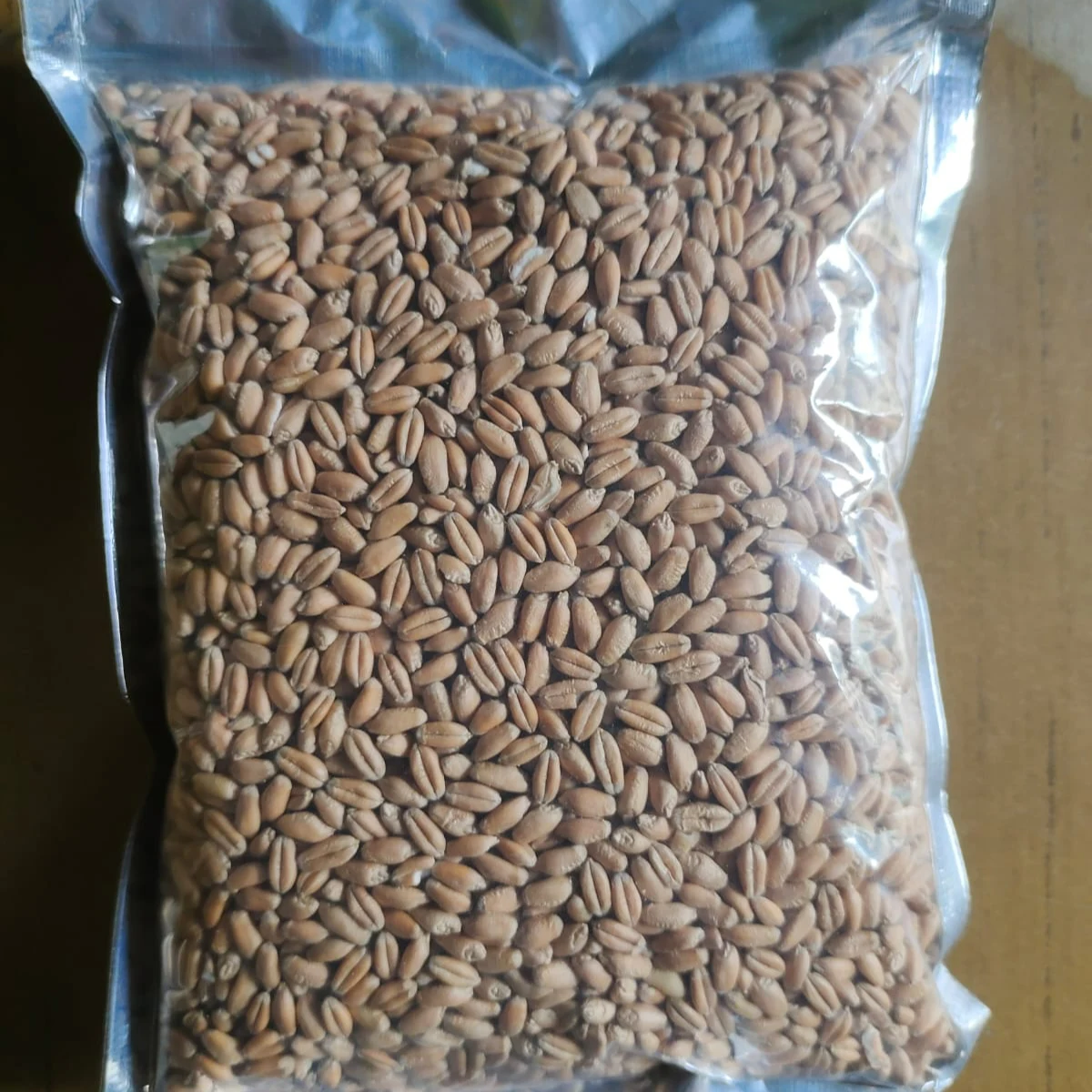
  • Heritage wheat landraces like Kathiya, Banshi and Paigambari, once common regional wheats, now grown at a smaller scale than modern hybrids.
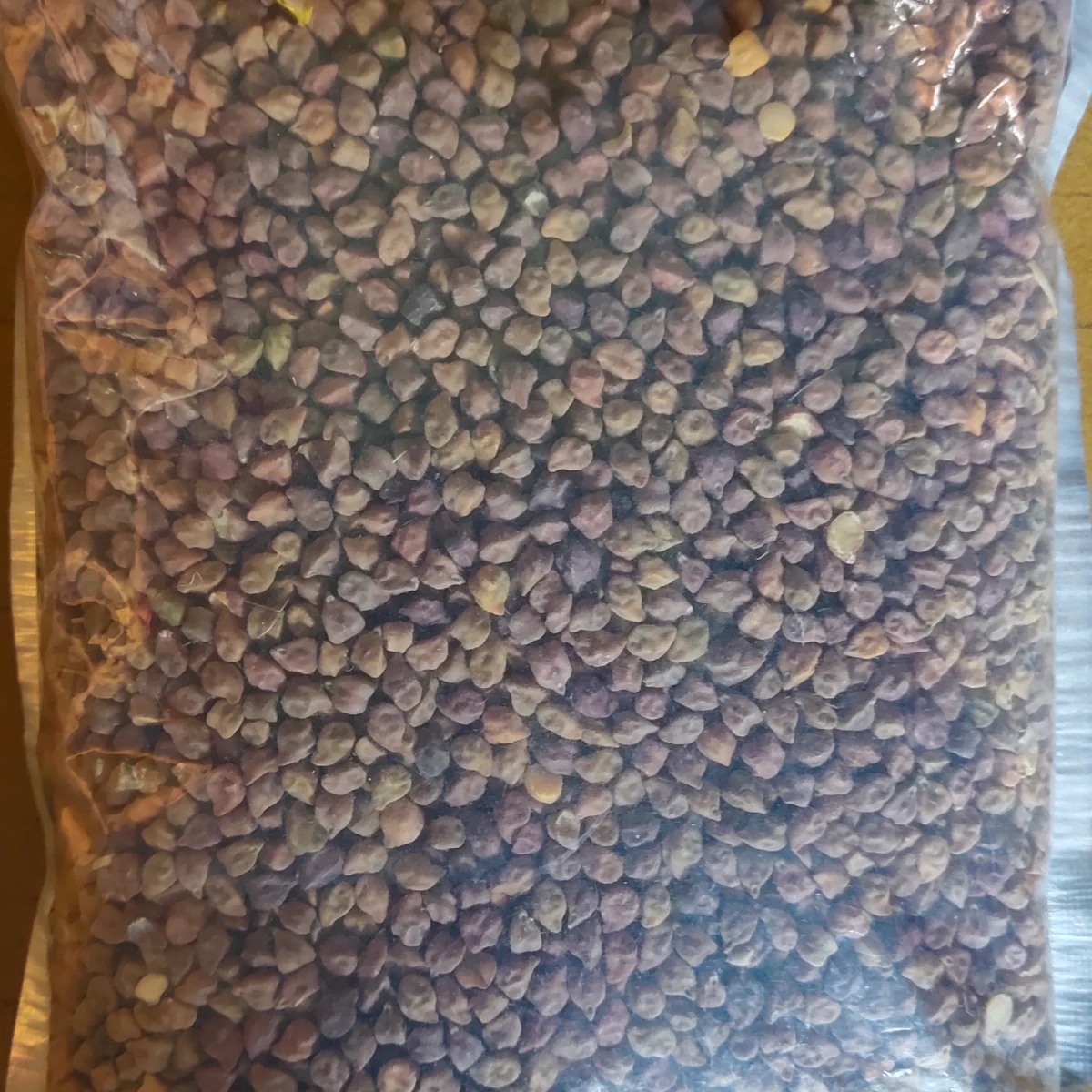
  • Regional pulse varieties that vary considerably by state and community, many with limited distribution outside their home region.
  • Traditional preparations built around these ingredients, daliya, sattu and various regional dals, that remain genuinely practical, not just nostalgic.
  • Rediscovering these ingredients supports both culinary variety and the broader biodiversity concerns covered elsewhere in this guide.

Our standards

Forgotten grains questions

Why did these ingredients fall out of everyday use?
Largely the shift toward a smaller number of high yield commodity crops, which crowded out many traditional regional varieties.
Are these ingredients harder to cook with than common staples?
Not inherently, though some need different techniques, which this guide covers for the specific ingredients it stocks.
Is millet the same category as these heritage wheats?
They are different grains entirely, though both fall into this broader category of traditional ingredients losing ground to commodity crops.
Does rediscovering these ingredients support farmers directly?
Continued demand is one of the more direct ways these varieties stay commercially viable for farmers to keep growing.

Comments

Loading comments…

Sign in to join the conversation.