Skip to content
Explore True Grit's complete organic catalogue — traditional grains, pulses, seeds and oils.
TRUE GRIT
Essential Organic Staples for an Indian Kitchen — traditional ingredients and practical kitchen guidance
True Grit

True Grit Farms Desk · 3 min read

Essential Organic Staples for an Indian Kitchen

A shorter, more specific list than a general pantry guide, focused on what is genuinely certified organic.

Building an organic kitchen is really about choosing genuinely certified versions of staples you likely already buy, rather than an entirely new shopping list.

Where to start

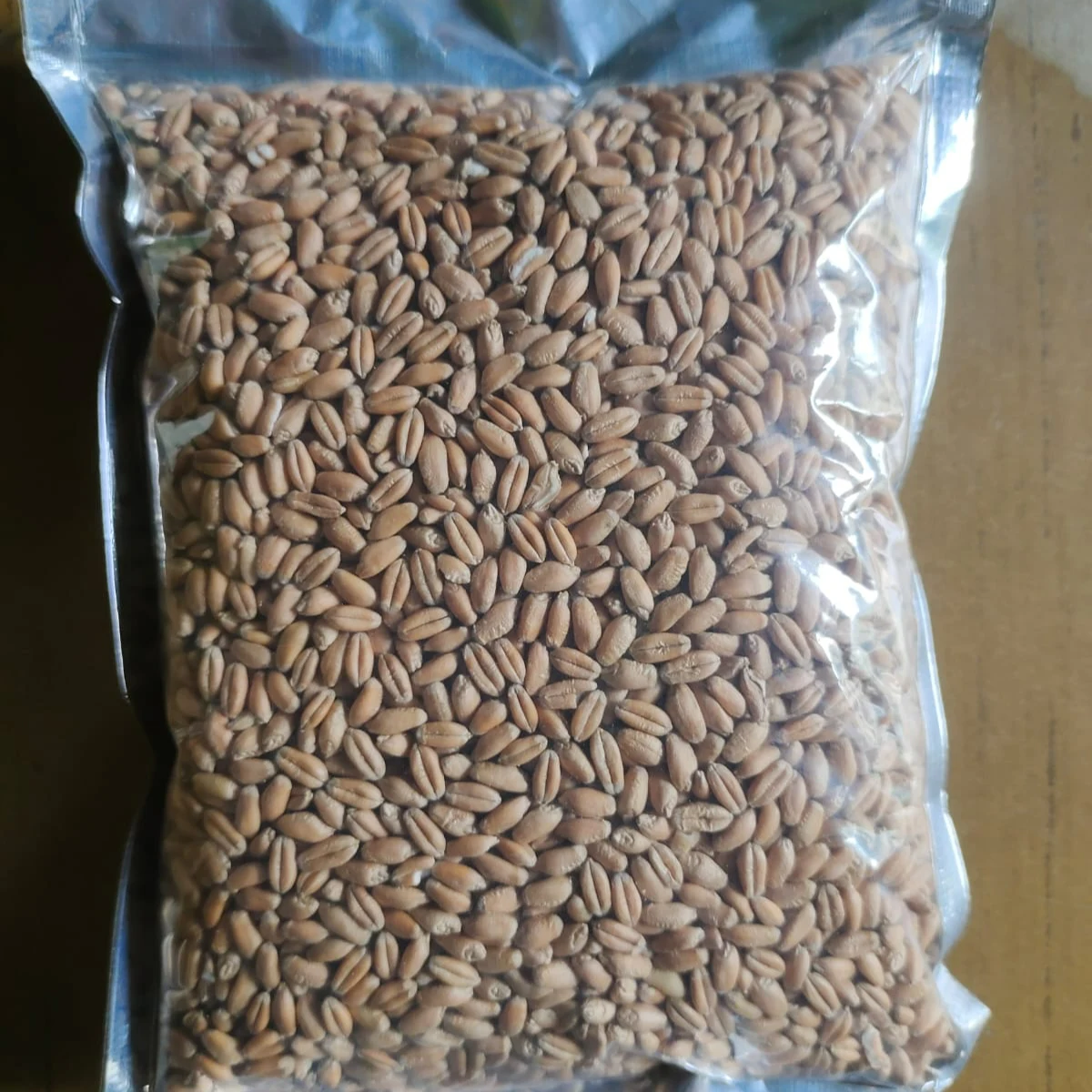
  • A certified organic wheat, like Kathiya, covers the daily staple of roti with a verified sourcing standard behind it.
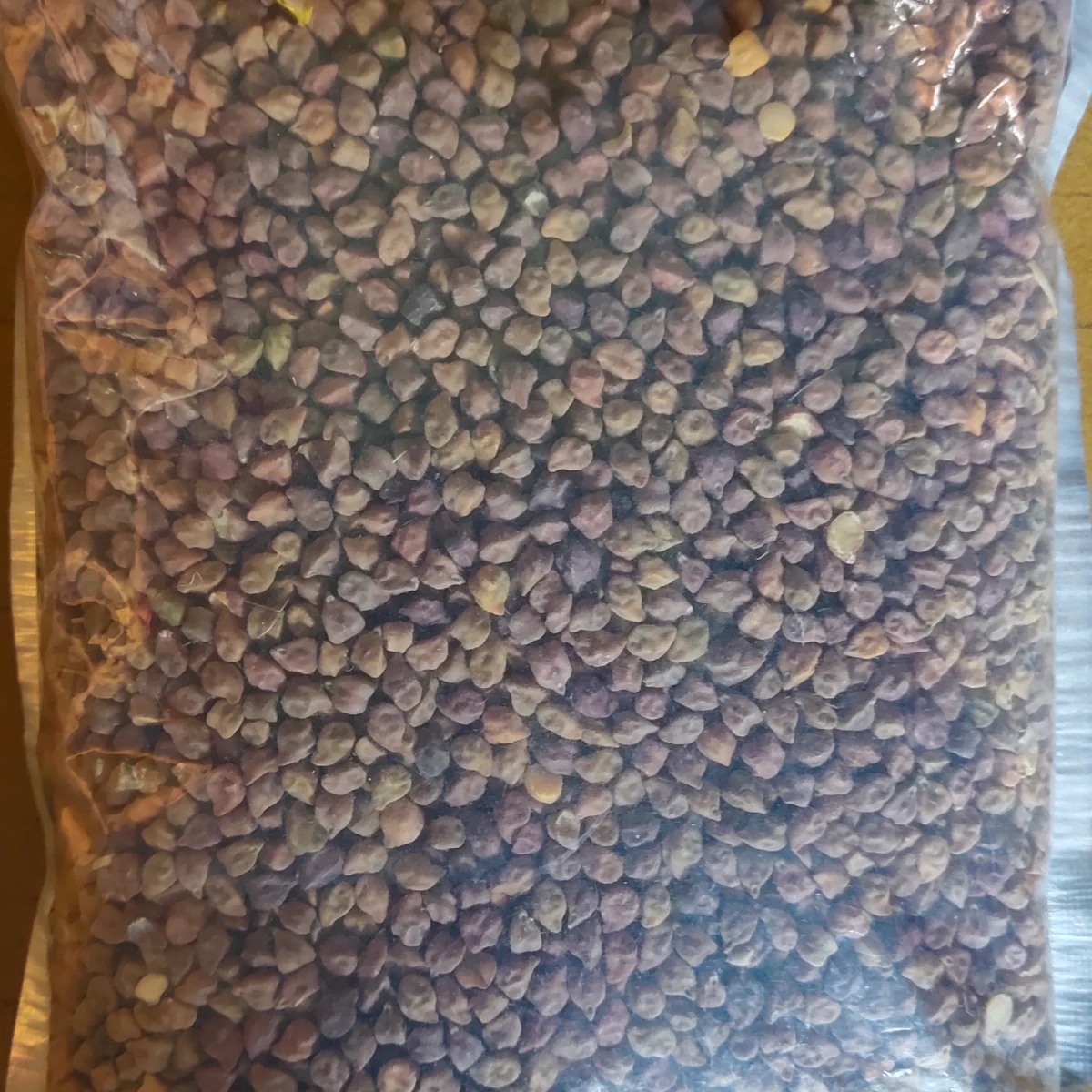
  • A certified organic pulse, like whole black gram, extends into dal, sattu and besan with the same verification.
  • A certified organic cooking oil, like black or yellow mustard oil, covers everyday cooking with a documented supply chain.
  • Checking the certification details on each, covered in more depth elsewhere in this guide, confirms the organic claim is genuine.
  • From there, expanding into daliya, semolina or a specialty oil rounds out an organic kitchen at your own pace and budget.

Our standards

Organic staples questions

Do I need to replace my entire pantry with organic at once?
No, starting with a few genuinely certified staples and expanding gradually is a reasonable approach.
How do I confirm a product is genuinely organic?
Check the certification mark and certificate number, covered in more detail elsewhere in this guide.
Is organic always significantly more expensive?
Usually somewhat more, for reasons covered in more depth elsewhere in this guide, lower yield and smaller scale production.
Which staple is the easiest first organic purchase?
A wheat flour is a practical starting point, given how central it is to most Indian kitchens.

Comments

Loading comments…

Sign in to join the conversation.