Skip to content
Explore True Grit's complete organic catalogue — traditional grains, pulses, seeds and oils.
TRUE GRIT
Black Gram vs Urad Dal — traditional ingredients and practical kitchen guidance
True Grit

True Grit Food Care Desk · 2 min read

Black Gram vs Urad Dal

The same pulse under two names, one describing the whole grain, the other more often the processed form.

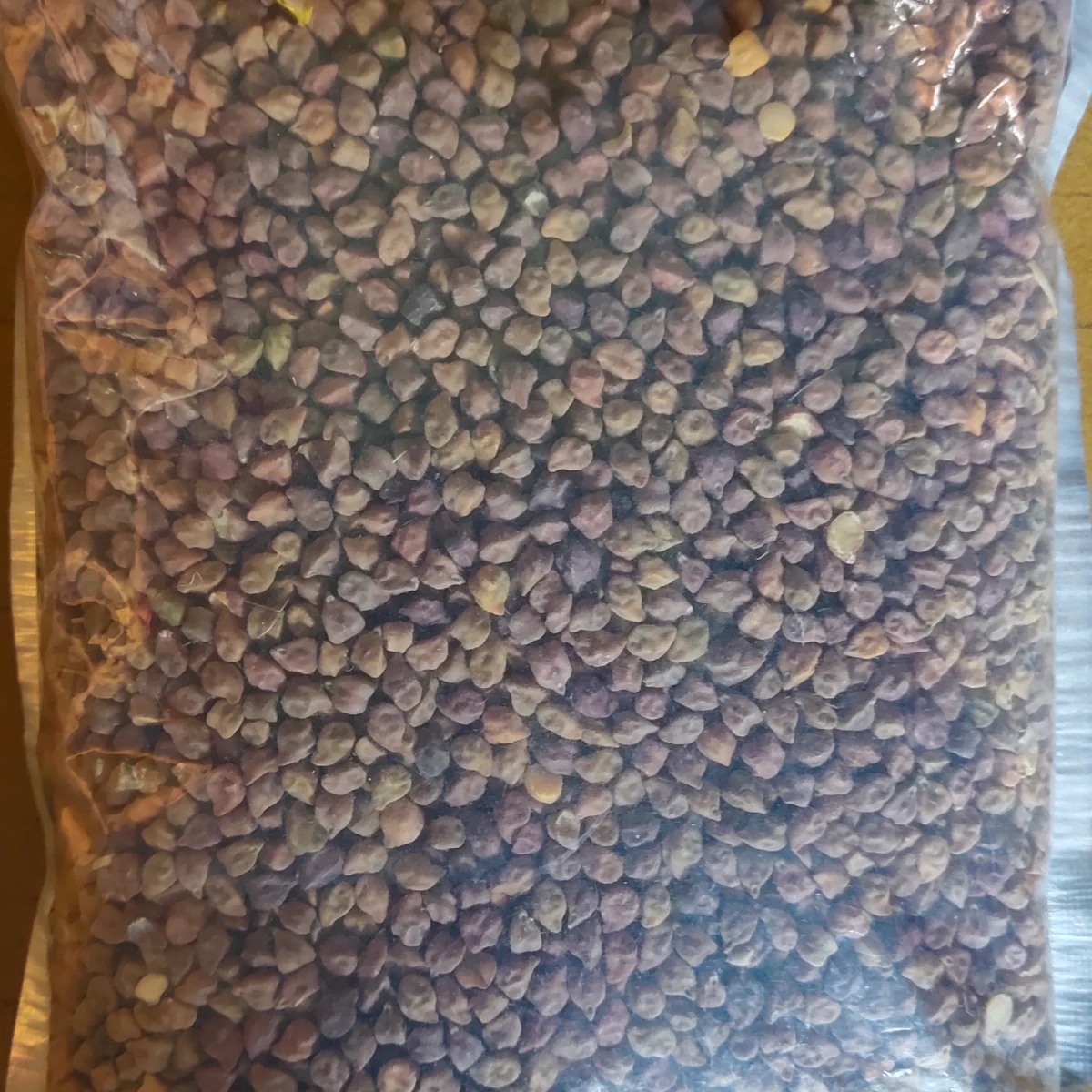
Black gram and urad dal name the same underlying pulse, but in everyday use, urad dal more often points specifically to the split, processed form rather than the whole grain.

What to actually know

  • Black gram and urad are the same pulse, English and Hindi names for one another.
  • In common usage, urad dal often specifically means the split, dehusked form rather than the whole black skinned grain.
  • Whole black gram is sometimes called sabut urad to distinguish it clearly from the split dal form.
  • The naming can vary by seller, so checking whether a pack is whole or split matters more than the exact word used.
  • Both forms come from the exact same pulse crop, just processed differently before packaging.
  • Recipes usually make the intended form clear from context, even when the label alone does not spell it out.

Our standards

Black gram and urad dal questions

Should I buy black gram or urad dal for dal makhani?
Whole black gram, sometimes labelled sabut urad, is what traditional dal makhani is built on.
Is split urad dal the same pulse as whole black gram?
Yes, it is the same pulse, dehusked and split rather than a different crop entirely.
Why do some packs say urad and others say black gram?
Regional and seller naming preference, both terms refer to the same pulse.
Does the name affect how I should cook it?
No, check whether the pack is whole or split instead, since that is what actually determines cooking time and use.

Comments

Loading comments…

Sign in to join the conversation.