Skip to content
Explore True Grit's complete organic catalogue — traditional grains, pulses, seeds and oils.
TRUE GRIT
Black Gram vs Chickpea — traditional ingredients and practical kitchen guidance
True Grit

True Grit Buying Desk · 2 min read

Black Gram vs Chickpea

Different pulse families entirely, occupying quite different roles across Indian cooking.

Black gram and chickpea belong to entirely different pulse families and rarely compete for the same role in a recipe, which makes this less a direct rivalry and more a study in contrast.

What actually differs

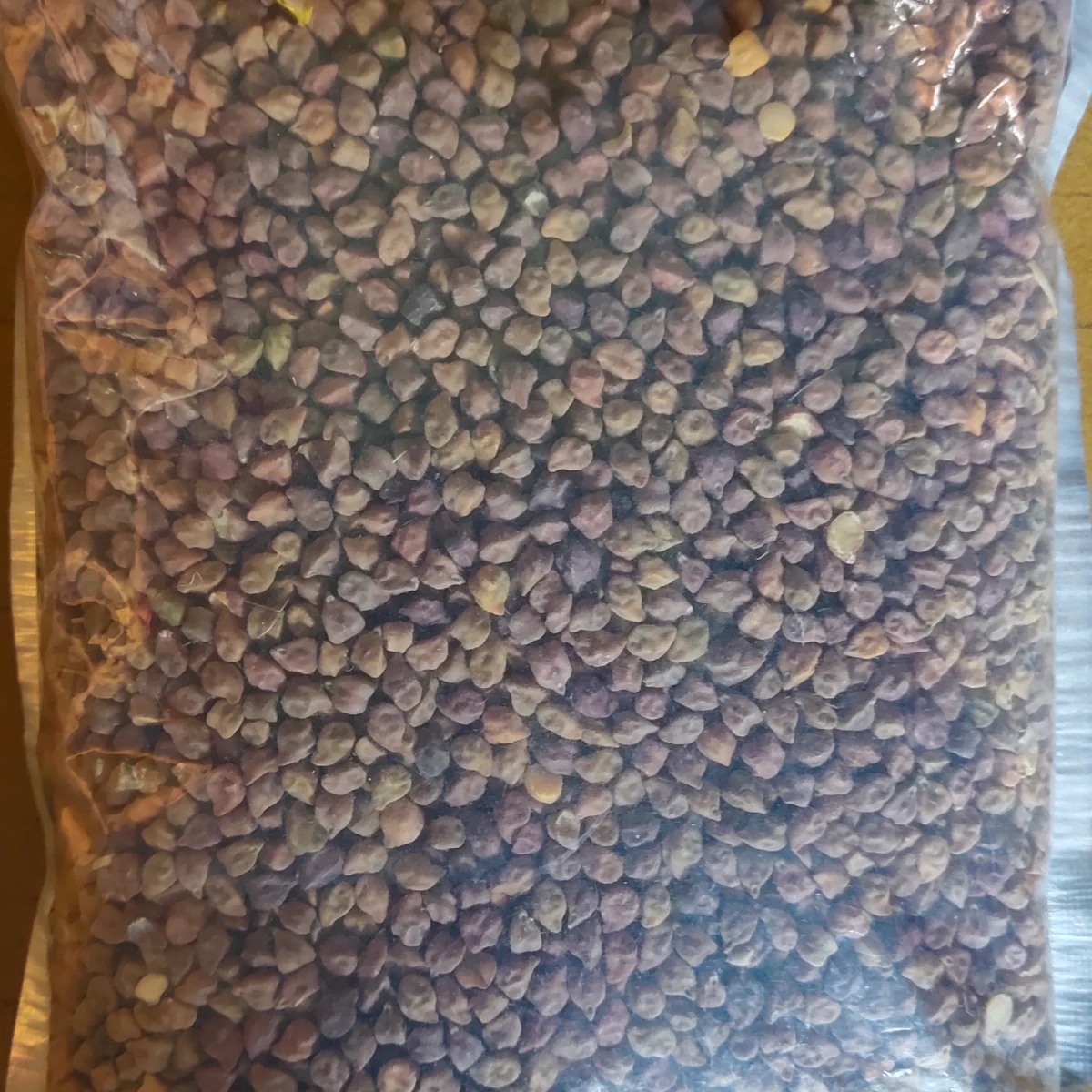
  • Black gram is small, black skinned and earthy. Chickpea is larger, tan coloured and firmer in bite.
  • Black gram anchors dal makhani, dosa batter and vada. Chickpea anchors chana masala, chole and hummus style preparations.
  • Ground black gram gives besan and sattu with a heavier, earthier character. Ground chickpea, the more familiar besan, is milder and more widely used.
  • Cooking times differ too, whole black gram generally softens faster than whole chickpeas of a similar size.
  • Neither pulse substitutes cleanly for the other, since the dishes each anchors depend on its particular texture and flavour.

Our standards

Black gram vs chickpea questions

Is one more widely used across Indian cooking than the other?
Both are widely used, just for different dishes, chickpea for chana based curries, black gram for dal makhani and South Indian batters.
Can black gram besan replace chickpea besan?
It can be used, but expect a heavier, earthier result rather than the lighter, more familiar chickpea besan texture.
Does black gram cook faster than chickpea?
Whole black gram generally softens a little faster than whole chickpeas of similar size, though both benefit from soaking.
Do you sell chickpea products?
No, our pulse range in this comparison covers black gram in its whole, split, besan and sattu forms.

Comments

Loading comments…

Sign in to join the conversation.